How to Wipe a Device Before Selling or Recycling
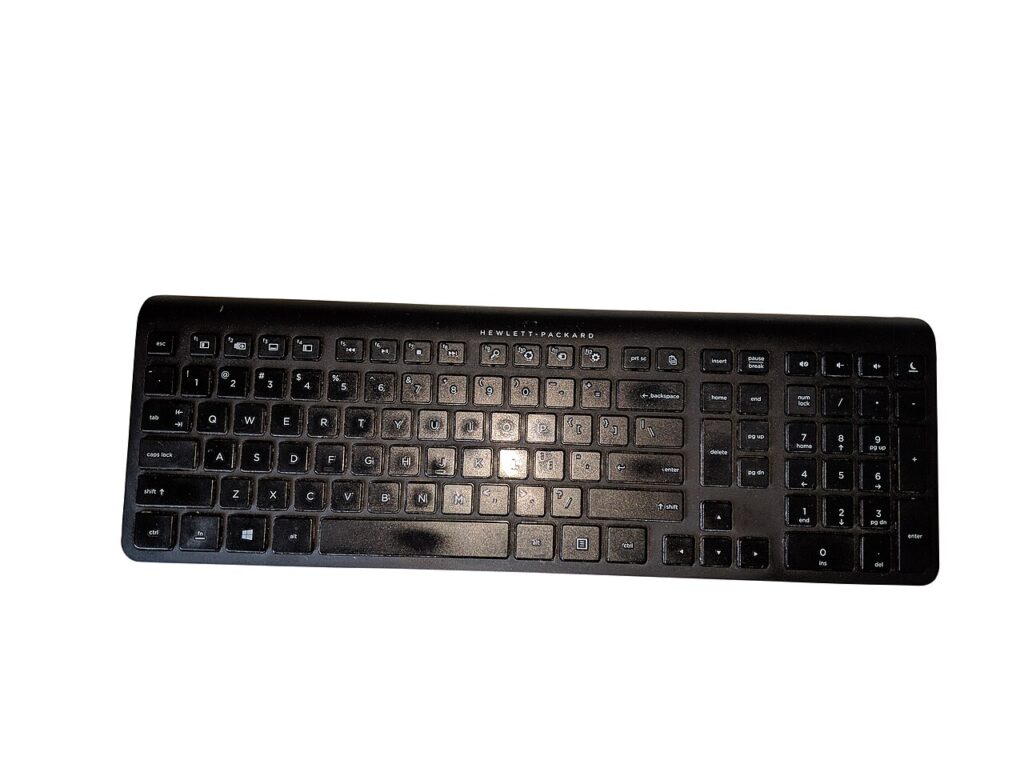
Old laptops and phones often hold personal and business data. Knowing how to wipe a device before recycling protects you from data theft.
Back up and sign out
Copy the files you need to a safe place, sign out of accounts, disable activation locks, and remove the device from your cloud accounts and management tools.
Encryption helps
Devices with full-disk encryption are easier to wipe securely, since deleting the key makes data unreadable. Turn encryption on before wiping if it is not already enabled.
Perform a factory reset
Use the built-in reset option and choose to remove everything. On computers, select the option that erases the drive; for older hard drives consider a secure erase tool.
Handle special cases
For drives that will not boot or phones that are damaged, use physical destruction or certified recycling services that provide a certificate of data destruction.
Verify and document
Check that the device boots to setup, remove SIM and memory cards, and record the disposal for compliance. Never recycle devices without wiping.
Key takeaways
- Back up and sign out: Copy the files you need to a safe place, sign out of accounts, disable activation locks, and remove the device from your cloud accounts and management tools.
- Encryption helps: Devices with full-disk encryption are easier to wipe securely, since deleting the key makes data unreadable. Turn encryption on before wiping if it is not already enabled.
- Perform a factory reset: Use the built-in reset option and choose to remove everything. On computers, select the option that erases the drive; for older hard drives consider a secure erase tool.
- Handle special cases: For drives that will not boot or phones that are damaged, use physical destruction or certified recycling services that provide a certificate of data destruction.
- Verify and document: Check that the device boots to setup, remove SIM and memory cards, and record the disposal for compliance. Never recycle devices without wiping.
Putting it into practice
To apply this in your own organization, begin with a short assessment of where you stand on wipe a device today. Write down who owns it, which tools are involved, and the single biggest gap. Fix the highest-risk gap first, assign a clear date, and review progress after thirty days. Share what you learn with the team so improvements stick, and document the decisions you make so new staff can follow them. Revisit the topic every quarter, because threats, tools, and business needs change quickly, and small regular adjustments are far easier than large emergency fixes.
Common mistakes to avoid
Many teams struggle with wipe a device because they try to do everything at once, skip documentation, or treat it as a one-time project. Others rely on a single person who holds all the knowledge, or buy tools before defining the problem they need to solve. Avoid these traps by starting small, writing down simple procedures, spreading responsibility across the team, and checking results on a regular schedule. If something is not working, adjust quickly instead of abandoning the effort, and keep a short log of what you changed and why. That record makes future decisions faster and helps new colleagues understand the reasoning behind your approach.
Frequently asked questions
Is deleting files enough?
No. Files can often be recovered; use a full reset or secure erase.
What about SSDs?
Use manufacturer erase tools or encryption plus reset.
Final thoughts
Back up, encrypt, reset, verify. A few steps keep your data from leaving with the device.
Keep reading
- Endpoint Security
How to Secure Remote Employees’ Laptops

- Endpoint Security
VPN or Zero Trust Network Access?
- Endpoint Security
macOS Security for Business Users

- Endpoint Security
What Is Network Segmentation and Why Use It?