Taser Buying Guide: Models and Legal Checks
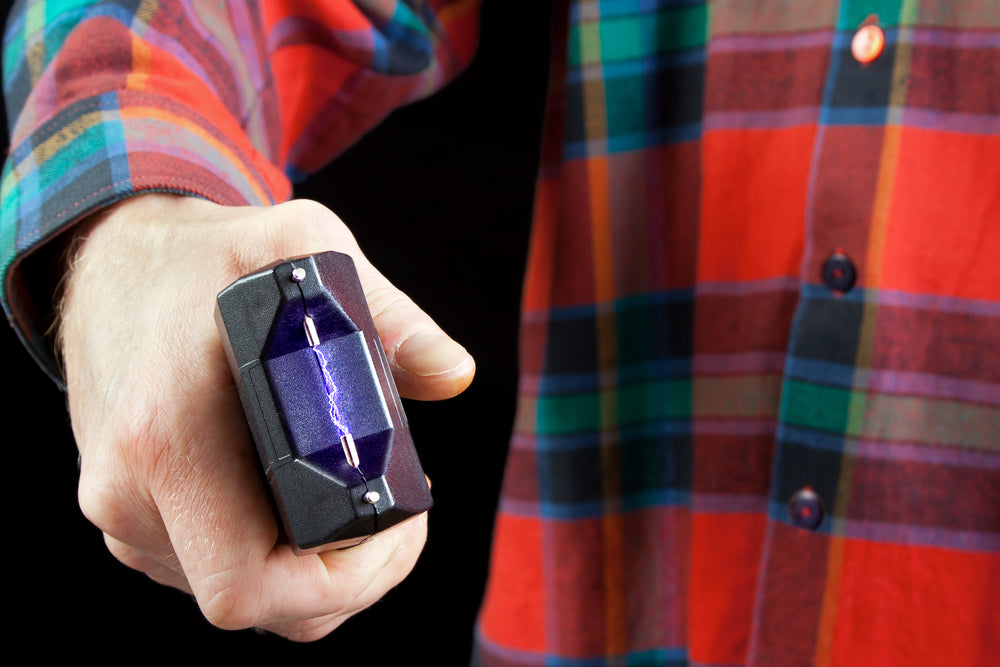
Choosing a taser for personal protection can feel confusing, with different models, ranges, and legal rules to weigh. This taser buying guide explains how the devices work, which features matter, and how to buy responsibly in 2024. It is written for first-time buyers who want a clear, practical overview before spending money.
How a taser works
A taser is a conducted energy device that fires two small probes connected to the unit by thin wires. When both probes contact a person, the device delivers short electrical pulses that disrupt muscle control for a few seconds, giving the user time to move away and call for help. Consumer models are designed for self-defense and typically offer a single shot, followed by a backup contact mode. Understanding this basic principle helps you compare products sensibly.
Features to compare before buying
Look at effective range, usually around fifteen feet for consumer models, along with the number of cartridges included, the length of the discharge cycle, and battery type. A built-in flashlight, a safety switch to prevent accidental firing, and an arc display for testing are valuable extras. Consider size and weight, since a device you leave at home protects nobody. Check warranty length and whether replacement cartridges are easy to find.
Laws, training, and responsible use
Rules differ widely by country, state, and even city. Some places ban civilian ownership outright, while others require permits, age limits, or restrictions on carrying in public buildings and aircraft. Always confirm local law before purchasing, and buy only from reputable retailers that follow those rules. Read the manual, practice in a safe setting if the maker provides a training option, and store the device out of reach of children with the safety engaged.
Taser, stun gun, or pepper spray?
A stun gun must touch the attacker, which means being within arm reach, while a taser works from a distance. Pepper spray is inexpensive and widely legal but can be affected by wind and may cause blowback. Many people choose layered protection: good lighting and cameras at home, an alarm, and one carried tool matched to their comfort and local laws. No device replaces situational awareness and avoiding danger.
Where to buy and what to avoid
Purchase from established security retailers or directly from manufacturers, and avoid unknown marketplace sellers offering unusually low prices, which may sell counterfeit or unsafe units. Check customer reviews, return policies, and whether the seller provides cartridges and support. Be cautious of exaggerated claims about power or range. Keep your receipt and register the product so you receive recall notices.
Frequently asked questions
Are tasers legal everywhere?
No. Laws vary, so check national and local rules before you buy or carry one.
How long does the battery last?
Many units run for months on standby, but test the device regularly and replace batteries on schedule.
Do I need extra cartridges?
Yes. Cartridges are single-use, so keep spares and replace them before their expiry date.
Final thoughts
A good taser purchase comes down to knowing the law, choosing reliable features, and committing to responsible use. Compare models carefully, buy from trusted sellers, and treat the device as one part of a wider home and personal safety plan.
Keep reading

- Smart Security
IoT Device Security for Small Offices

- Smart Security
Smart Home Security for Renters
- Smart Security
A Guide to Secure Video Conferencing